Serving as the Constitutional Head of Andhra Pradesh — Bridging Judicial Wisdom with Executive Governance
Understanding the constitutional framework within which the Governor exercises authority and serves the people
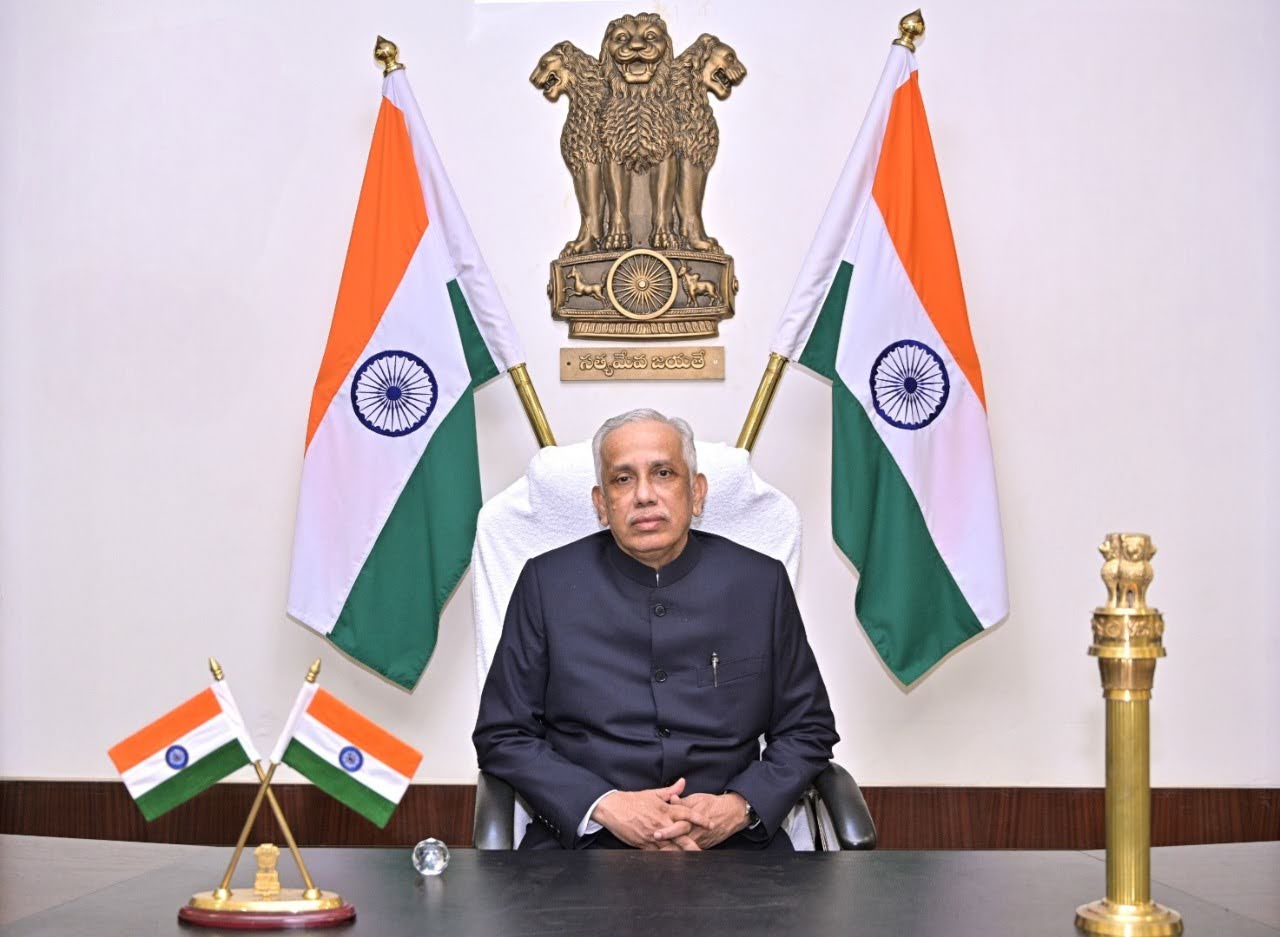
The office of the Governor, as envisaged under Articles 153 to 162 of the Constitution of India, is the cornerstone of the federal structure that connects the Centre with the States.
Appointed as the Governor of Andhra Pradesh on 12 February 2023, Syed Abdul Nazeer assumed an office whose importance in India's constitutional architecture cannot be overstated. The Governor serves as the head of the state executive, the constitutional link between the Centre and the State, and the guardian of the constitutional order within the state's territory.
Under the Constitution, the Governor is charged with a range of duties that encompass legislative, executive, and judicial functions. These include summoning, proroguing, and dissolving the state legislature; giving assent to bills; appointing the Chief Minister and Council of Ministers; acting as Chancellor of state universities; and exercising discretionary powers in matters where the Constitution requires the Governor's independent judgment.
For a former Supreme Court Judge, these constitutional duties carry special significance — the same Constitution that Justice Nazeer spent decades interpreting now defines the parameters of his executive authority, creating a unique synergy between judicial understanding and administrative practice.
The constitutional powers and responsibilities that define the Governor's role in India's federal framework
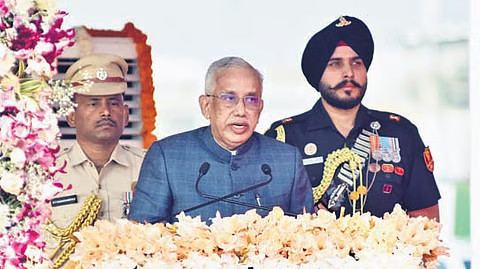
The Governor's role in the legislative process is crucial: summoning and proroguing the state legislature, delivering the opening address to the Assembly, assenting to or withholding assent from bills passed by the legislature, and reserving certain bills for the consideration of the President. Under Governor Nazeer, these legislative functions have been exercised with meticulous attention to constitutional propriety and the principles of democratic governance.
As the head of the state executive, the Governor appoints the Chief Minister and Council of Ministers, appoints key constitutional and statutory functionaries, and ensures that the administration of the state is carried on in accordance with the Constitution. Governor Nazeer's judicial background ensures that these appointments and administrative decisions are guided by the highest standards of constitutionality and merit.
The Governor exercises certain judicial and quasi-judicial functions, including the power to grant pardons, reprieves, and commutations of punishment under Article 161 of the Constitution. For a former Supreme Court Judge, this quasi-judicial authority is exercised with the depth of constitutional understanding that only decades on the bench can provide.
As Chancellor of state universities, Governor Nazeer has taken a keen interest in strengthening academic institutions, promoting research excellence, and ensuring that higher education in Andhra Pradesh meets the challenges of the 21st century while maintaining the highest standards of academic integrity.
The Governor serves as the vital constitutional link between the Central Government and the State, facilitating cooperative federalism and ensuring that the relationship between the Centre and the State operates within the constitutional framework. Governor Nazeer's deep understanding of federalism jurisprudence uniquely equips him for this critical function.
In certain constitutionally defined situations, the Governor is required to exercise independent judgment — whether in the appointment of the Chief Minister in a hung assembly, the invocation of Article 356, or the reservation of bills for presidential consideration. These discretionary functions demand precisely the constitutional wisdom that characterizes Governor Nazeer's approach.
How decades of judicial experience shape a distinctive approach to constitutional governance
The transition from the Supreme Court bench to the Governor's office is not merely a change of role — it represents a fundamental reorientation of constitutional service from interpretation to application.
Governor Nazeer's approach to governance is distinguished by his uniquely deep understanding of the Constitution that he applied and interpreted as a Judge. Where most governors come from political or administrative backgrounds, Justice Nazeer brings the disciplined analytical framework of a jurist to the challenges of state governance.
This judicial approach manifests in several distinctive ways: a commitment to ensuring that every administrative action is grounded in constitutional authority; a focus on the protection of fundamental rights at the state level; an emphasis on institutional integrity and the independence of constitutional bodies; and a governance philosophy that prioritizes the rule of law over political expediency.
The office of the Governor is not merely a constitutional formality — it is a sacred trust, a covenant between the constitutional order and the people of the state. Every decision must be guided by the Constitution and animated by the commitment to public welfare.
Building robust, accountable, and transparent institutions that serve the people
As Chancellor of state universities, Governor Nazeer has taken proactive steps to strengthen the academic infrastructure of Andhra Pradesh. He has championed initiatives to enhance research capabilities, promote interdisciplinary studies, encourage innovation and entrepreneurship among students, and ensure that universities maintain the highest standards of academic excellence and integrity.
The Governor has inaugurated and supported numerous healthcare initiatives across Andhra Pradesh, including the inauguration of hospice and respite care centres, medical infrastructure projects, and public health awareness campaigns. His commitment to healthcare reflects the constitutional mandate of promoting the welfare and health of all citizens.
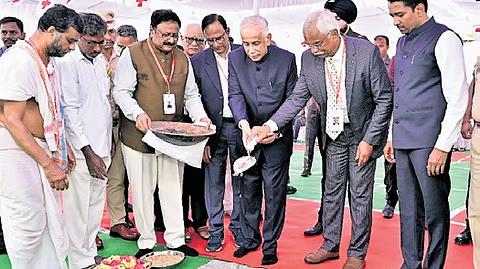
Governor Nazeer has participated actively in laying foundation stones for infrastructure projects, inaugurating development initiatives, and supporting the state's ambitious development agenda. His involvement in these initiatives reflects his commitment to the economic and social progress of Andhra Pradesh within the constitutional framework.
Drawing on his extensive judicial experience, Governor Nazeer has promoted legal awareness programs, supported the strengthening of judicial infrastructure in the state, and encouraged initiatives that improve access to justice for the common citizen, particularly in rural and underserved areas of Andhra Pradesh.
Explore the constitutional thinking and judicial principles that inform Governor Nazeer's approach to governance.
Legal Philosophy